Source organic radix polygalae for Capsules, Tablets, and Food
Find and compare 30 listings for organic radix polygalae extract. Evaluate specifications including assay methods like HPLC, packaging options, and certifications such as HACCP and ISO to identify suitable suppliers for health care products and food applications.
Key considerations
Products List



Comprehensive Sourcing Guide
Organic Radix Polygalae Sourcing Guide
Sourcing high-quality organic radix polygalae requires a nuanced understanding of both botanical identity and supply chain transparency. While the provided product data highlights various root extracts such as Polygala Tenuifolia and Polygonum Multiflorum, buyers must carefully distinguish between these distinct botanical sources to ensure alignment with specific therapeutic or formulation goals. Radix Polygalae, commonly known as Tian Ma or Polygala root, is traditionally valued for its unique phytochemical profile, which differs significantly from other root extracts like Coastal Glehnia or Polygonum Multiflorum. Procurement teams must verify that the supplier’s inventory explicitly matches the Latin name Polygala tenuifolia rather than confusing it with similar-looking or similarly named botanicals. This distinction is critical because the active constituents, such as polygalasaponins, are specific to the Polygala genus, and misidentification can lead to product failure in health care applications.
Furthermore, the term "organic" implies a rigorous agricultural standard that goes beyond simple botanical verification. Buyers should recognize that while many suppliers offer "Food Grade" or "Medicine Grade" extracts, the organic certification is a separate, verifiable claim that requires third-party auditing. The observed market signals indicate a wide range of extraction processes, from physical methods to solvent extractions, each yielding different purity levels and residue profiles. For organic sourcing, the extraction method must be compatible with organic processing standards, often limiting the use of synthetic solvents. Procurement specialists must therefore scrutinize the "Extraction Process" field in supplier listings to ensure it aligns with organic integrity, prioritizing suppliers who can demonstrate a clear chain of custody from the certified organic farm to the final powder form.
Product Scope and Observed Listing Signals
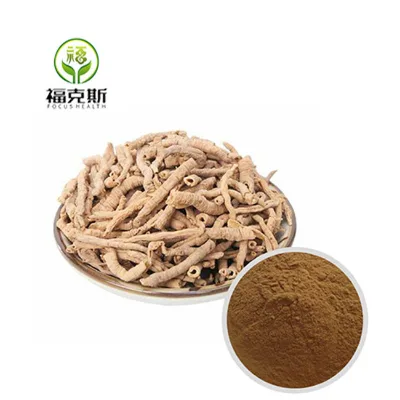
The current market landscape for radix polygalae extracts presents a variety of physical forms and concentration ratios that buyers must navigate. Observed listings frequently describe the product as a "Brown Fine Powder" or "Brown Yellow Fine Powder," indicating the natural coloration derived from the root source. These visual characteristics are standard for root extracts but should be verified against internal quality specifications, as color can vary based on the harvest season and drying methods. The typical application forms for these powders include capsules, tablets, and pastes, reflecting their versatility in the health care and food industries. Buyers should note that while some listings mention lotions, the primary utility of radix polygalae remains in ingestible formats, and any deviation from this core application should be questioned for suitability and stability.
Concentration ratios are a key signal of product potency and pricing structure. The data indicates standard extract ratios such as 10:1 and 20:1, which denote the amount of raw plant material required to produce one unit of extract. A 10:1 ratio means ten kilograms of root are processed to yield one kilogram of extract, while a 20:1 ratio represents a higher concentration. Buyers must determine which ratio best suits their formulation needs, balancing potency against cost and solubility. Additionally, the observed minimum order quantities (MOQ) range from 1kg to 2kg, suggesting flexibility for small-batch testing or pilot production. However, larger commercial orders may require adherence to specific packaging constraints, such as 25kg drums, which impacts storage logistics and inventory management strategies.
Technical Specifications to Verify
Technical verification begins with the assay method, which is the primary tool for quantifying active ingredients. The observed data lists UV, HPLC, and HPLC-MS as common assay methods for these extracts. High-Performance Liquid Chromatography (HPLC) is the industry standard for verifying the concentration of specific saponins or flavonoids in radix polygalae. Buyers should insist on HPLC or HPLC-MS reports to ensure the accuracy of the active ingredient content, as UV spectroscopy may lack the specificity required for complex botanical matrices. The "Prod Model" or internal reference codes, such as SNT-280 or TR0165, serve as unique identifiers for each batch or product line. Procurement teams should map these codes to specific technical data sheets to avoid confusion between different extract ratios or source materials.
Packaging and storage specifications are equally critical for maintaining product integrity. The observed packaging materials include cardboard drums lined with two plastic bags, a design intended to protect the powder from moisture and contamination. The recommended storage method is consistently listed as a "Cool Dry Place" or "Cool & Dry Sealed Container," which is essential for preventing microbial growth and chemical degradation. Buyers must verify that the supplier’s logistics chain maintains these conditions during transit, as exposure to heat or humidity can compromise the shelf life, which is typically cited as two years. Additionally, the "State" of the product is uniformly described as powder, so buyers should confirm particle size distribution if their manufacturing process requires specific flowability or dissolution rates.
Compliance and Safety Documentation
Compliance documentation is the backbone of safe procurement, particularly for products destined for health care and food applications. The observed certifications include HACCP, FDA, ISO, BRC, and RoHS. While these certifications indicate a supplier’s commitment to quality management and safety standards, buyers must verify that the specific certifications apply to the radix polygalae product line and not just the facility in general. HACCP and ISO certifications are particularly relevant for food-grade extracts, ensuring that hazard analysis and critical control points are in place. FDA registration is crucial for suppliers targeting the US market, indicating that the facility is listed with the Food and Drug Administration. Buyers should request copies of these certificates and check their validity dates to ensure continuous compliance.
Safety data sheets (SDS) and test reports are essential for assessing the purity and safety of the extract. The observed "Prod Standard" of 100% suggests a claim of pure extract, but buyers must verify this against heavy metal limits, pesticide residues, and microbial counts. Since the raw material is a plant-based root, the risk of environmental contaminants is inherent. Buyers should require a Certificate of Analysis (CoA) that details the results of tests for arsenic, lead, cadmium, mercury, and total plate count. The "Test Method" field, which lists HPLC, should be accompanied by specific limit values for contaminants. Additionally, for organic products, buyers must ensure that the supplier provides organic certificates from accredited bodies, confirming that no synthetic pesticides or fertilizers were used in the cultivation of the radix polygalae.
Cost Drivers and Commercial Terms
Cost drivers for radix polygalae extracts are influenced by the extraction ratio, certification status, and raw material quality. Higher extract ratios, such as 20:1, typically command a premium price due to the increased volume of raw material required and the more intensive processing involved. The observed price range of 4-79 USD likely reflects variations in these factors, with lower prices corresponding to standard 10:1 ratios or non-organic grades, and higher prices reflecting organic certification or higher potency. Buyers should analyze the cost per unit of active ingredient rather than just the price per kilogram, as a more expensive extract with a higher concentration may offer better value in formulation. The "Grade" of the product, whether Food Grade or Medicine Grade, also impacts pricing, with medicine-grade extracts often requiring stricter quality controls and thus higher costs.
Commercial terms such as MOQ and payment conditions play a significant role in the total cost of ownership. The observed MOQ of 1kg allows for low-risk sampling, but bulk purchases may require negotiating better pricing tiers. Buyers should also consider the packaging costs, as 25kg drums are standard for bulk orders but may be inefficient for small-scale production. The "Sample" availability is noted as acceptable, which is a critical step in the procurement process. Buyers should request samples to verify the physical characteristics, such as color and solubility, before committing to large orders. Additionally, the "Supplier" identity, such as Tianrui, may influence pricing based on their reputation and scale, but buyers should focus on the product specifications and compliance documentation rather than brand loyalty alone.
Supplier Qualification and Quality Control
Supplier qualification involves a thorough assessment of the supplier’s capabilities and quality management systems. The observed "Place of Origin" is primarily China, with specific mentions of Baoji and Shaanxi, regions known for traditional Chinese medicine cultivation. Buyers should verify the supplier’s location and conduct site audits if possible, to ensure that the extraction process is conducted in a controlled environment. The "Extraction Source" and "Raw Material" fields indicate that the product is derived from plants, specifically roots. Buyers should inquire about the supplier’s sourcing strategy for raw materials, including whether they use contract farming or purchase from open markets. Consistent quality depends on a stable and traceable supply of raw radix polygalae, so suppliers with direct control over their agricultural sources are often preferred.
Quality control processes should be transparent and robust. Buyers should request information on the supplier’s in-house testing capabilities and their relationship with third-party laboratories. The observed "Assay Method" and "Test Method" suggest that the supplier performs internal quality checks, but independent verification is recommended. Buyers should establish a quality agreement that defines acceptable limits for active ingredients, contaminants, and physical properties. Regular audits of the supplier’s quality control procedures, including batch-to-batch consistency checks, are essential for maintaining product quality. Additionally, buyers should assess the supplier’s ability to handle deviations and their process for managing non-conforming products, ensuring that any issues are resolved promptly and effectively.
Long-Term Procurement Checks
Long-term procurement success depends on continuous monitoring of supplier performance and market trends. Buyers should establish key performance indicators (KPIs) for quality, delivery, and responsiveness, and review these metrics regularly. The "Lifetime" of the product, typically two years, should be monitored to ensure that inventory management practices minimize waste and maintain product efficacy. Buyers should also stay informed about changes in regulatory requirements, such as updates to FDA guidelines or organic standards, to ensure ongoing compliance. Proactive engagement with suppliers regarding new product developments or improvements in extraction technology can provide a competitive advantage in the market.
Supply chain resilience is another critical aspect of long-term procurement. Buyers should diversify their supplier base to mitigate risks associated with geopolitical issues, natural disasters, or agricultural failures. The observed "Origin" in China highlights the importance of understanding the local regulatory and logistical environment. Buyers should develop contingency plans for supply disruptions, including alternative sourcing options and safety stock strategies. Additionally, fostering a collaborative relationship with suppliers can lead to better pricing, priority access to new products, and joint innovation opportunities. Regular communication and feedback loops are essential for maintaining a strong partnership and ensuring that both parties’ needs are met over time.
FAQs
What is the typical appearance of organic radix polygalae extract?
The extract typically appears as a brown fine powder or brown-yellow fine powder. This visual characteristic is consistent across various extraction ratios such as 10:1 and 20:1. The physical state is uniformly solid, ensuring easy handling and integration into diverse formulation processes for health care and food applications.
Which certifications are available for organic radix polygalae suppliers?
Suppliers commonly provide HACCP, FDA, and ISO certifications to ensure quality and safety standards. Some vendors also hold BRC and RoHS certifications for broader compliance. These credentials verify that the manufacturing processes meet international regulatory requirements, making the product suitable for export and integration into regulated health care and food supply chains.
Can organic radix polygalae be used in capsule and tablet forms?
Yes, the extract is suitable for use in capsules, tablets, and pastes. It is also compatible with lotion formulations for topical applications. This versatility allows manufacturers to incorporate the powder directly into various dosage forms, supporting the development of diverse health care products and functional foods with consistent active ingredient distribution.
What is the standard packaging for organic radix polygalae extract?
Standard packaging typically involves 25kg drums lined with two plastic bags. This method ensures the powder remains sealed and protected from moisture during storage and transit. The cardboard-drums and plastic-bag combination provides robust protection, maintaining the integrity of the brown fine powder until it reaches the end-user for processing or formulation.
How is the quality of organic radix polygalae extract tested?
Quality is verified using UV, HPLC, and HPLC-MS assay methods. These analytical techniques ensure the purity and potency of the active ingredients, such as Radix Glehniae or Polygala Tenuifolia components. Testing confirms that the extract meets specified standards, providing buyers with reliable data on the product's composition and safety for use in food and medicine.
What is the minimum order quantity for organic radix polygalae extract?
The minimum order quantity is typically 1kg, allowing for flexible purchasing options. This low MOQ facilitates sampling and small-scale production runs. Buyers can easily test the product's compatibility with their formulations before committing to larger bulk orders, reducing initial investment risks while ensuring the extract meets their specific quality and application requirements.
Where is organic radix polygalae extract typically sourced from?
The extract is primarily sourced from China, with specific origins including Baoji and Shaanxi regions. These areas are known for cultivating high-quality medicinal plants like Polygonum Multiflorum and Glehnia Root. The geographical origin ensures access to authentic raw materials, supporting the production of consistent and potent extracts for global health care and food markets.